Minnesota school district postpones financial audit, raising funding and transparency concerns
Parents and other taxpayers are questioning why an independent audit of a Minnesota school district’s 2023 finances was delayed from July 16 to September.
“The public has no way of seeing how…
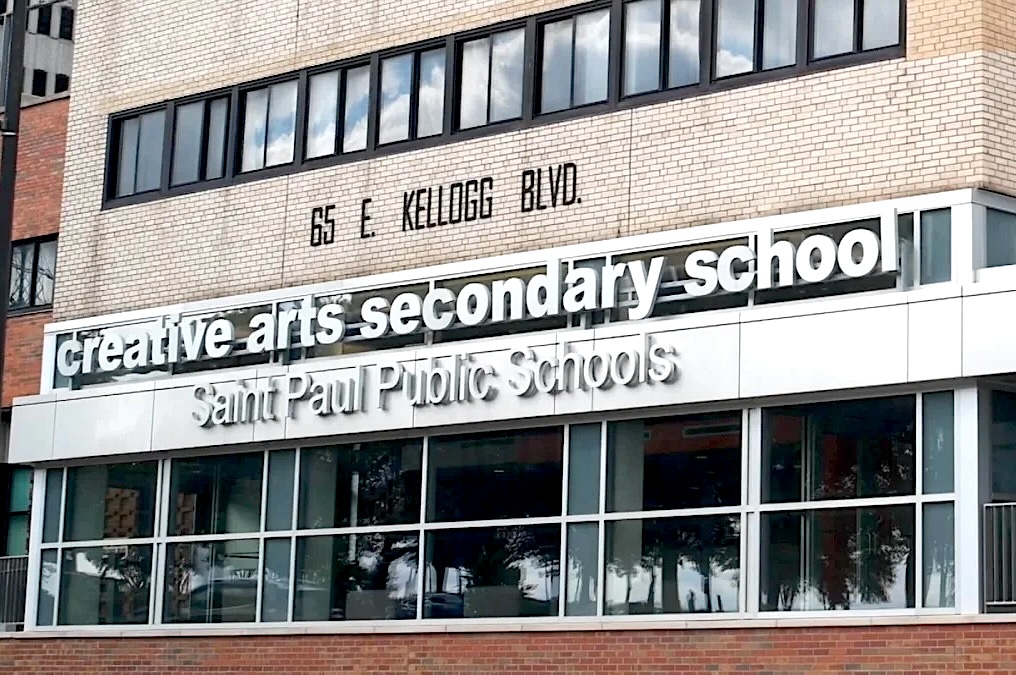
Parents and other taxpayers are questioning why an independent audit of a Minnesota school district’s 2023 finances was delayed from July 16 to September.
“The public has no way of seeing how the money’s been spent at this point in time, because there is no information out there available,” said Arleen Schilling, a retired worker for the St. Paul Public Schools, in a recent news article. “There are no audited financial statements.”
Schilling worked in the district’s finance office for three decades before her retirement in 2022.
The audit’s delay is raising concerns about transparency and fiscal responsibility as it approved a billion-dollar budget “for the second year in a row,” according to journalist Alex Derosier.
“District officials blame staff turnover, a switch to a new accounting firm and the complex nature of the district’s finances — though larger and similarly sized districts have completed their audits,” he writes.
‘Out of line with what’s required’
Right now the district, which also failed to meet a March 30 deadline for a federal audit, is not in compliance with Minnesota law requiring independent audits for school districts.
“Anytime a school district or municipality steps out of line with what’s required, that’s just not healthy and good, morally, ethically or legally,” said Tom Sager, the district’s executive chief of financial services. “It’s not anything we would want to continue on with.”
Sager was hired in September 2022 by then-Superintendent Joe Gothard, who fired Sager’s predecessor, Marie Schrul.
Schrul had insisted on following state and federal regulations, which made her unpopular among the school’s leadership, Schilling said.
“The reason Marie is gone is because she insisted on compliance,” Schilling said at the time. “She upheld the highest ethical standards, and it is a complete shock that she has been removed.”
Last year the district missed its audit by three months, marking the first time it had ever been late.
“While Sager doesn’t expect the audit to dramatically change the school district’s budget picture, Schilling pointed out that a change of just a few million dollars could put the district below its threshold for rainy-day funds,” Derosier writes.
“The district had to dip into its reserves this year in order to balance a billion-dollar budget without more cuts, leaving around $35 million — just above the 5% reserve threshold set by the school board.”
This year’s budget also failed to specify how school programs will change after cutting $114 million in spending, which prompted transparency concerns at the board’s July 16 meeting, according to Derosier.
“The late audit — the second time in two years — could hurt the district’s bond rating, increasing the cost of future borrowing. And, while it hasn’t happened before, the missed deadline could also put state funding in jeopardy.”
Minnesota is not the only state facing criticism over its management of public-school funding. The Ann Arbor Public Schools district in Michigan recently miscalculated a budget shortfall by $25 million.
“There were signs that we were facing annual deficits, but the new budget had (the fund balance) going back up and we trusted the budget,” said Jeff Gaynor, board trustee. “In retrospect, perhaps we shouldn’t have because unless we had a reason to understand why it would go back up. It didn’t make sense. So that is on us.”