Denver Public Schools appeals to parents as 1 in 3 students stayed chronically absent last school year
Denver Public Schools is aiming to create a “partnership with parents” to address chronic absenteeism – estimating about 33,000 students missed more than 10% of the 2024-25 academic year, or…
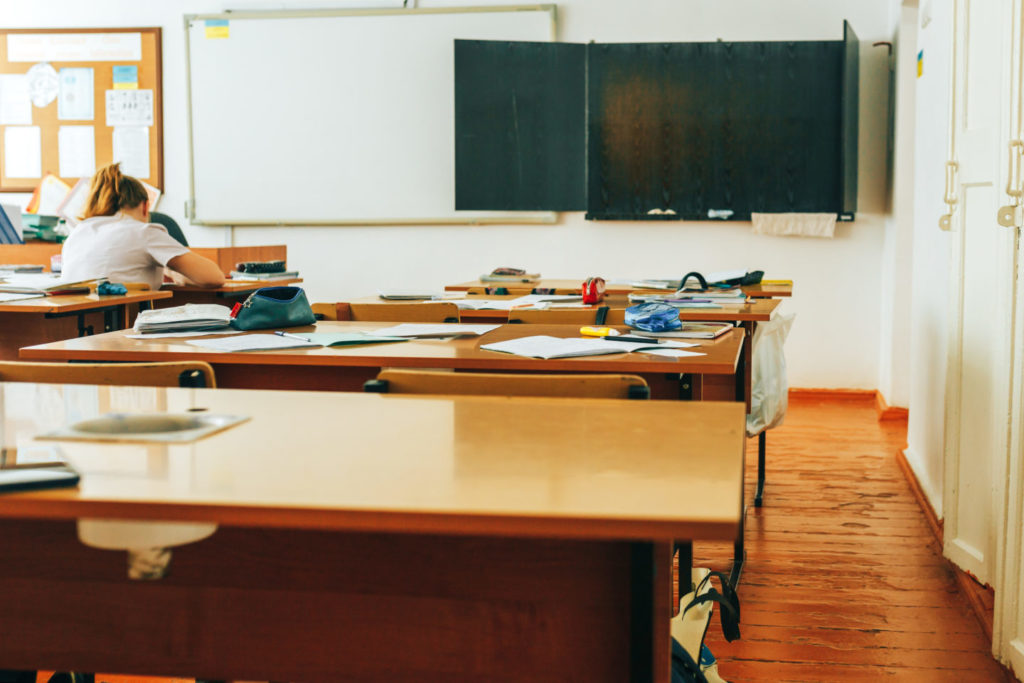
Denver Public Schools is aiming to create a “partnership with parents” to address chronic absenteeism – estimating about 33,000 students missed more than 10% of the 2024-25 academic year, or one in every three attendees.
“We want your children at school all day, every day,” Cori Canty, the district’s school improvement and attendance manager, told CBS Colorado. “And what can we do to help you so that it’s very proactive, it’s very positive, and it’s a big, heavy emphasis on problem solving rather than blame and shame?”
Chronic absenteeism affects not only the missing students, but also their fellow classmates and educators, Canty said.
“It impacts their peers’ learning. It impacts the teacher’s ability, because when a student does come back from an absence, then the teacher is trying to catch them up and get them caught up to the rest of the class. It really has a pretty big ripple effect.”
Chronic absence vs. truancy
The district clarifies differences between chronic absence and truancy, which counts only unexcused absences and focuses on legal, administrative and rule-based policies.
“A student who misses 10% (the equivalent of one-two days per month) or more of the time enrolled in school is considered chronically absent,” it notes on its website. “This can include late arrivals and early pick-ups from school.”
Unlike truancy, chronic absence focuses on the “academic impact of missed days” and “uses community-based, positive strategies,” according to the district.
“There are a few practices parents can implement to help ensure their child is set up for success and attending class,” its website says, urging families to “communicate with the school every time your child will be late, leave early or will be absent.”
Parents should also schedule appointments, trips and vacations after school or on days without scheduled classes, the district advises.
“Develop a backup plan to get your child to school if something comes up,” school officials write, noting parents can encourage “healthy habits” such as enforcing bedtimes, laying out clothes and backpacks the night before, and talking to teachers or counselors if children demonstrate school anxiety.
A “Parent Portal” will also notify families each month on the number of days their child has missed school and whether they are considered chronically absent.
Strained relationships between schools and parents
Recent communications between the district and parents have come under pressure from several sources, including seven school closures amid falling birth rates and enrollment.
Many families expressed outrage when the closures were announced.
“The proposal is ridiculous. You’re asking the community to completely break apart and pick schools and fend for themselves,” said Diana Kessel, a mom whose children attended one of the schools that eventually closed. “I can’t even guarantee that my two girls will stay together because the other schools that are on the list are at overcapacity.”
Other parents shared concerns over the academic impact from pushing children into already crowded classrooms.
“We do have smaller class sizes. I chose that on purpose,” said Colorado mom Sara Nakon, who experienced “tons of emotions” ranging from shock to anger over the closures. “I don’t want my kids in a 36-person class.”