Texas releases proposed rules for $1 billion school choice program
Texas is moving closer to launching its school choice program after releasing draft regulations for Education Savings Accounts on Friday.
The Lone Star State approved a $1 billion school choice…
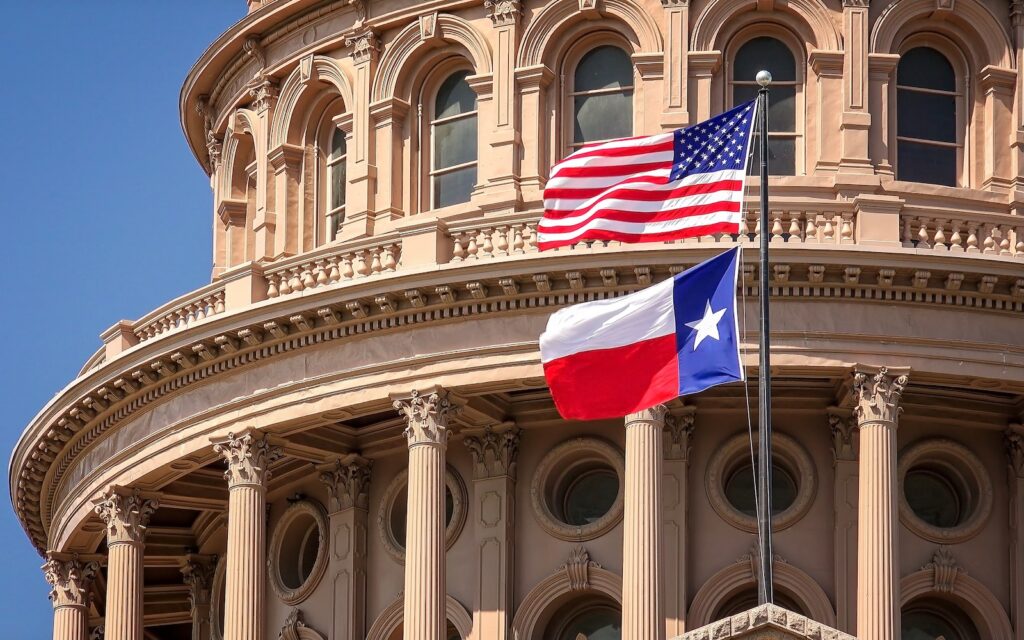
Texas is moving closer to launching its school choice program after releasing draft regulations for Education Savings Accounts on Friday.
The Lone Star State approved a $1 billion school choice program in May that is set to take effect in the 2026-27 school year.
Participation will be open to students eligible to attend a Texas public school but not currently enrolled, including those leaving public schools and students already in private school.
“Every Texas child deserves the opportunity to learn, grow, and succeed in the environment that works best for them and their family,” said Acting Comptroller Kelly Hancock, whose office announced the regulations. “It’s important that the rules for our first school choice program adhere strictly to the enacting legislation and keep us on track to have the program ready for families by the 2026-27 school year.”
Students with disabilities and those from lower-income families will receive priority for the ESAs. Families earning more than 500% of the federal poverty level, or about $195,000, will be eligible but could receive no more than 20% of the program’s funding under the proposed rules.
Funding for each account will equal about 85% of the average state and local per-student allotment in public schools, or roughly $7,400 based on current spending of about $8,700. Students with disabilities may receive additional amounts based on their individualized education plans, up to $30,000 annually, while homeschooled students are capped at $2,000 per year.
Program funds may be spent on a wide range of approved educational expenses, including private school tuition, textbooks, uniforms, tutoring, therapies, transportation, technology and school meals.
Purchases must be made through a state-approved marketplace. Parents and providers must certify compliance with program rules, and providers – including schools, tutors, and vendors – must apply for state approval and meet background, accreditation, and accountability standards, according to Texas Scorecard.
The proposed rules include safeguards against fraud, with penalties such as repayment and removal from the program for misuse of funds.
The rules are open for a 30-day public comment period. Afterward, the comptroller’s office will review feedback, make revisions and finalize the regulations. Families will be able to submit applications beginning in early 2026, keeping the program on track for its launch in the 2026-27 school year.
The program is estimated to serve about 100,000 students in its first year and increase in future years. Texas has more than 5 million K-12 students, most of whom attend public schools.