Charter schools in New Orleans show promise 20 years after Hurricane Katrina
Hurricane Katrina did more than level a city – it revamped New Orleans’ entire education system.
“With schools closed, more than 7,000 people, including more than 4,000 teachers with…
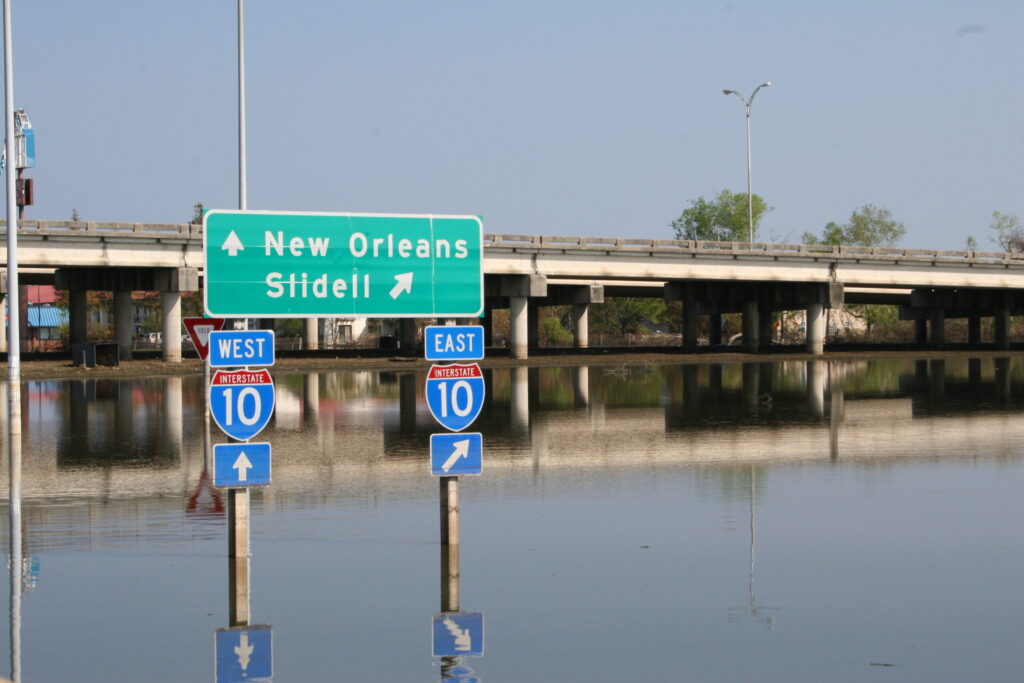
Hurricane Katrina did more than level a city – it revamped New Orleans’ entire education system.
“With schools closed, more than 7,000 people, including more than 4,000 teachers with an average of 15 years of experience, lost their stable, middle-class jobs,” National Public Radio writes on the 20-year anniversary of the storm. “The city’s teachers’ union, once the strongest in the South, lost most of its power almost overnight.”
State officials then took over 100 of the city’s 117 schools and “hit reset,” according to journalists.
“The plan wasn’t to run them — at least not for long — but to turn them into charter schools: publicly funded, privately run nonprofit organizations that have to answer to state or local school boards. … For New Orleans, it meant freeing schools from a system many people felt was barely functioning.”
Today every New Orleans school except one runs through charters, enrolling students citywide instead of tying attendance to specific neighborhoods.
“Test scores, high school graduation rates, college-going – everything improved, and everything improved a lot,” says Doug Harris, Tulane University education researcher and author of Charter School City.
A bipartisan initiative
NPR describes New Orleans’ charter schools as “a bipartisan idea” to empower school leaders “to make their own decisions and parents to decide where to send their kids.”
“The idea was to insert competition into public education,” journalists note, adding the schools were “struggling overall” in 2005 before the hurricane.
Only 56% of the district’s students were graduating on time, and 1 in 10 children received penalties over skipping school, according to NPR.
“In the decade prior to Katrina, Harris writes, the average superintendent lasted less than a year. The federal government threatened to cut off funding due to mismanagement, and the FBI had so many investigations involving the city’s schools that it had its own office at the district’s headquarters.”
Meanwhile, students in many schools couldn’t access basic resources such as toilet paper and air conditioning, the article notes.
One of the keys to charter-school success involved the state’s willingness to close schools if they didn’t meet certain requirements, Harris argues.
“If you close low-performing schools, students end up in better schools and they do better,” he explained. “While that may sound obvious, that’s not what happens in most places.”
Most elected officials tend to avoid school closures because of the political fallout, NPR notes.
For example, Chicago Public Schools imposed a moratorium on closing schools after 2013, which has been extended multiple times because of community pressure.
“There’s a lack of political courage to have this conversation [of school closures], and yet it’s often weaponized,” said former school board president Jianan Shi.
As a result, Chicagoans are spending up to $93,000 per student in some areas just to maintain “severely underenrolled” schools.
‘The best thing that could have happened’
Two decades after the charter boom, student test scores have “increased substantially” from their 2005 low and are much closer to the state average, NPR reports.
“Around 80% of students now graduate from high school on time, up from 56% before the storm. And the percentage of parents who think the city’s school system is on the right track has generally grown since 2014, according to Vincent Rossmeier, policy director at the Cowen Institute at Tulane University, which regularly surveys families.”
However, charter schools still draw criticisms from certain areas of the community.
“We’re not going to close our way to improvement anymore,” says Carlos Luis Zervigón, a member of the city’s school board. He taught in the city’s public schools in the 1990s after attending them in the ’70s and ’80s.
“There were a great number [of charter schools] who failed and are just gone, because this recipe was not a recipe for success.”
Not all public-education leaders agree with Zervigón’s call for the district to run more schools directly.
Mary Haynes-Smith, longtime principal of Mary McLeod Bethune Elementary, had fought against charter schools until a change of heart in 2017.
“I was so against charter schools. I thought it was the pits,” she recalled, saying she had heard parents didn’t like the private organizations hired to run charters.
However, her attitude changed when she decided to form a charter group so she could continue leading her school.
“Under the old system, Haynes-Smith says district officials often made decisions for the school that didn’t make sense,” NPR recounted.
“They bought computers when what Bethune needed was more teachers. Now, as a charter school CEO, she has the freedom to make most decisions on her own.”
Now the 77-year-old administrator has no immediate plans to retire, saying she loves her current position.
“I know what’s best because I’m here, living it every day,” she said. “It’s the best thing that could have happened.”