Maryland homeschoolers celebrate ‘intentional, affirming educational choice’ rising above COVID-19 pandemic levels
The recent growth of homeschooling may have started as a short-term response to the COVID-19 pandemic, but it has morphed into a “lasting trend,” argues a homeschool mom of four in…
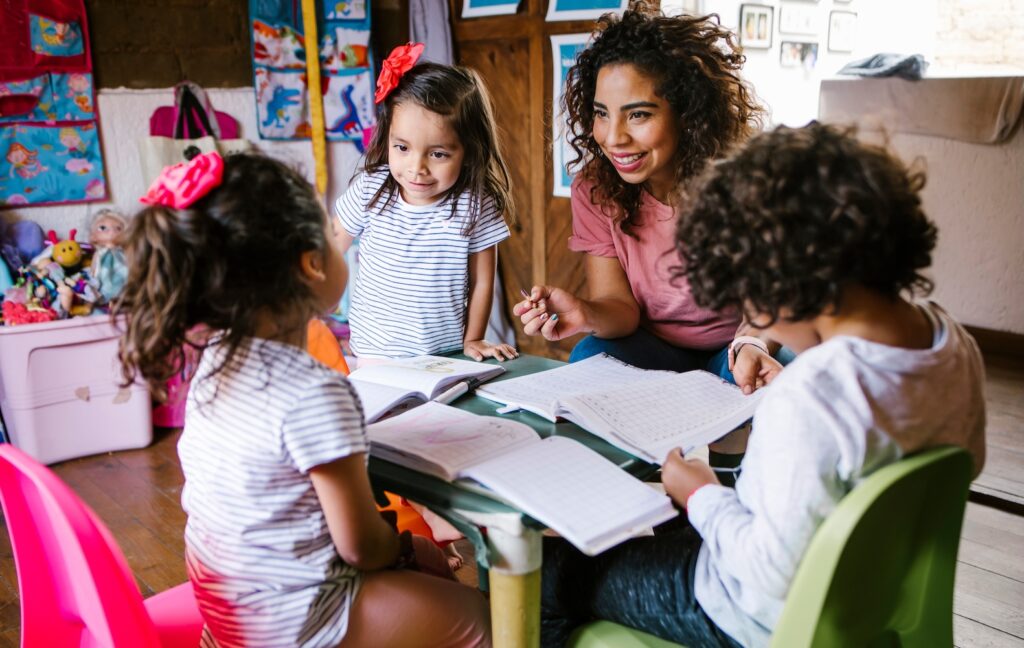
The recent growth of homeschooling may have started as a short-term response to the COVID-19 pandemic, but it has morphed into a “lasting trend,” argues a homeschool mom of four in Maryland.
“By the 2023-24 school year, more than 40,000 Maryland students – 4.65% of the K–12 population – were homeschooled, according to the Maryland State Department of Education,” Melissa Bellamy writes for the Maryland Matters nonprofit.
“That’s well above the 2.6% pre-pandemic rate and even the 4% peak during the pandemic. Local umbrella groups, co-ops and enrichment programs continue to report steady interest, signaling a long-term shift.”
African American families in particular – including Bellamy’s – are increasingly choosing this educational option.
“According to the U.S. Census Bureau, Black students nationwide represent about 8.5% of homeschoolers as of 2025 — a significant increase from prepandemic levels,” she writes.
“For many, it’s a way to build an education that reflects Black history, culture and identity – areas often overlooked in traditional curricula. Parents speak of reclaiming education and creating systems that affirm their children’s worth and potential.”
Flexible schedules, other benefits
Instead of being pressured into frantic school-morning routines, homeschoolers can enjoy “quiet libraries, midday museum visits and uncrowded playgrounds,” Bellamy argues.
“Families choose homeschooling for many reasons: individualized instruction, safety concerns, flexible pacing or a desire for more family time. … Museums, nature centers, and libraries across the state now offer specialized daytime programs, enriching the homeschool experience.”
Bellamy also welcomes the local communities supporting homeschoolers in their efforts to provide children with a quality learning experience.
“Maryland’s strong homeschool associations and umbrella schools help ease the transition, offering structure without sacrificing freedom,” she explains. “For some, homeschooling addresses gaps in traditional education, allowing parents to integrate cultural, religious or academic values into daily learning.”
Homeschool laws vary by state, and Maryland requires parents to submit a notice of intent as well as portfolio reviews twice a year.
“Families can either be supervised by their local school district or join an approved umbrella program, often affiliated with religious or private schools,” Bellamy notes. “While Maryland offers flexibility in curriculum and scheduling, it also imposes limits: homeschooled students cannot participate in public school sports, extracurriculars or classes.”
Critics of homeschooling sometimes question whether it will limit students’ access to higher education – a concern Bellamy directly addresses.
“Homeschool graduates are increasingly welcomed by colleges and universities, including those in Maryland. Admissions offices recognize their independence, adaptability and self-direction. … Many students also take advantage of dual-enrollment programs, earning college credit while finishing high school.”
At the same time, Bellamy acknowledges homeschool parents often face challenges when opting out of the government school system.
“Portfolio reviews can be stressful, and families lose access to publicly funded extracurriculars, placing the burden on parents,” she writes. “Equity concerns persist, as homeschooling often requires a flexible work schedule, making it less accessible to lower-income families.”
Against this backdrop, homeschooling’s expansion should indicate “many families find the benefits outweigh the barriers,” Bellamy argues.
“Across the U.S. – especially in Maryland – homeschooling is no longer a last resort but an intentional, affirming educational choice.”