Financial uncertainties propel Michigan districts to ponder ending free meals continued after COVID
Michigan school districts are considering whether they can afford to continue free lunches and breakfasts to all students, given uncertain state funding and other financial challenges.
“For two…
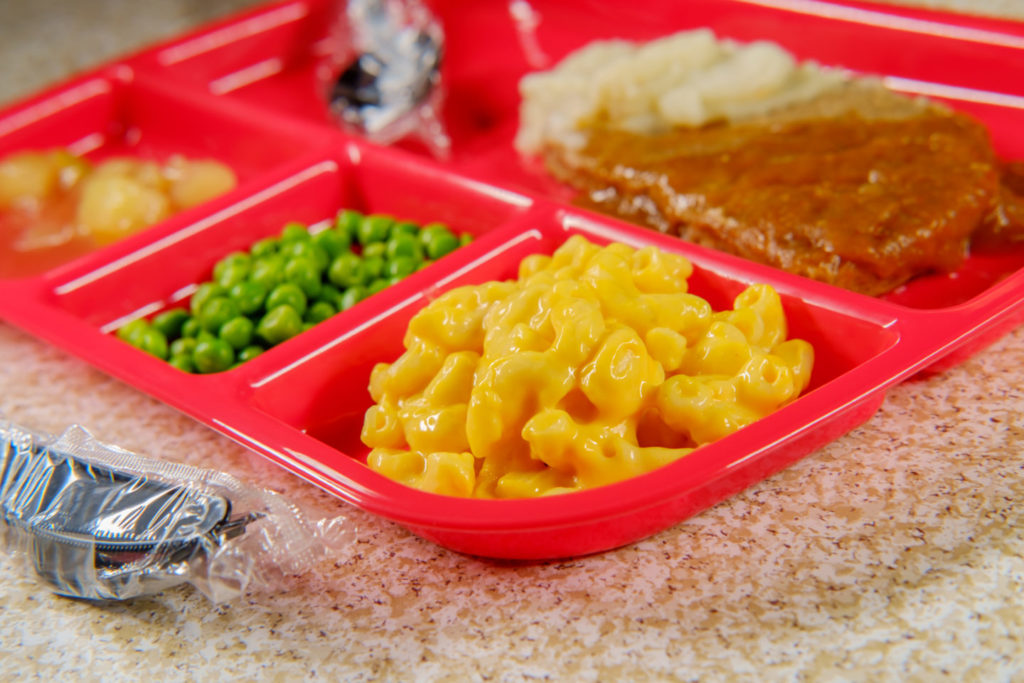
Michigan school districts are considering whether they can afford to continue free lunches and breakfasts to all students, given uncertain state funding and other financial challenges.
“For two years, students in public schools have had free school lunch and breakfast regardless of family income funded by the state,” writes the East Lansing Info news nonprofit, or ELi. “With money set to expire at the end of the month, districts are having to make decisions about the future of those meals.”
East Lansing Public Schools (ELPS) Superintendent Dori Leyko criticized the state Legislature for failing to pass a budget by July 1, forcing schools to make financial decisions without final funding numbers.
“If a budget is not passed by Sept. 30, school districts across Michigan will face even deeper uncertainty,” she said in a Sept. 10 meeting with lawmakers.
Concerns raised over meal program inefficiencies
The district, which enrolled 3,700 students in the 2023-24 academic year, told families it plans to offer free meals until Sept. 30. The program can continue only with confirmed state funding, according to journalists.
“Other resources ELPS says are at risk without state dollars coming in are the school bus operations and student programs, like athletics.”
The COVID-19 pandemic triggered a federal waiver, which expired in June 2022, allowing for free school meals nationwide.
However, Michigan opted to continue financing universal free school meals at the state level, according to ELi.
Such meal programs are undergoing re-evaluations in states other than Michigan. For example, a North Carolina school district ended a universal free breakfast program this school year.
“Federal reimbursement rates have not kept up with labor costs or food prices,” said Scott Rhodes, assistant superintendent for human resources at Henderson County Public Schools.
Critics of these programs often raise questions about inefficiencies and food waste, citing statistics showing more than half of meal costs goes to administrative services, facilities and other non-food expenses.
One 2020 study concluded homemade lunches were more efficient and affordable at a median food cost of $1.55, compared to more than $2 for a school meal.
Meanwhile, the school food waste costs U.S. taxpayers as much as $9.7 million each day to manage – amounting to 530,000 tons each year, according to the World Wildlife Fund.
Per student, “(This) breaks down to about 39.2 pounds of food waste and 19.4 gallons of milk thrown out per school per year, based on the results from the 46-school sample across nine cities.”