California ‘engineered the conditions’ for gas crisis hammering state harder than nation
Following Operation Epic Fury, supply chain disruptions have ricocheted across the market and hiked gas costs for the average American – with Californians paying the prettiest penny at…
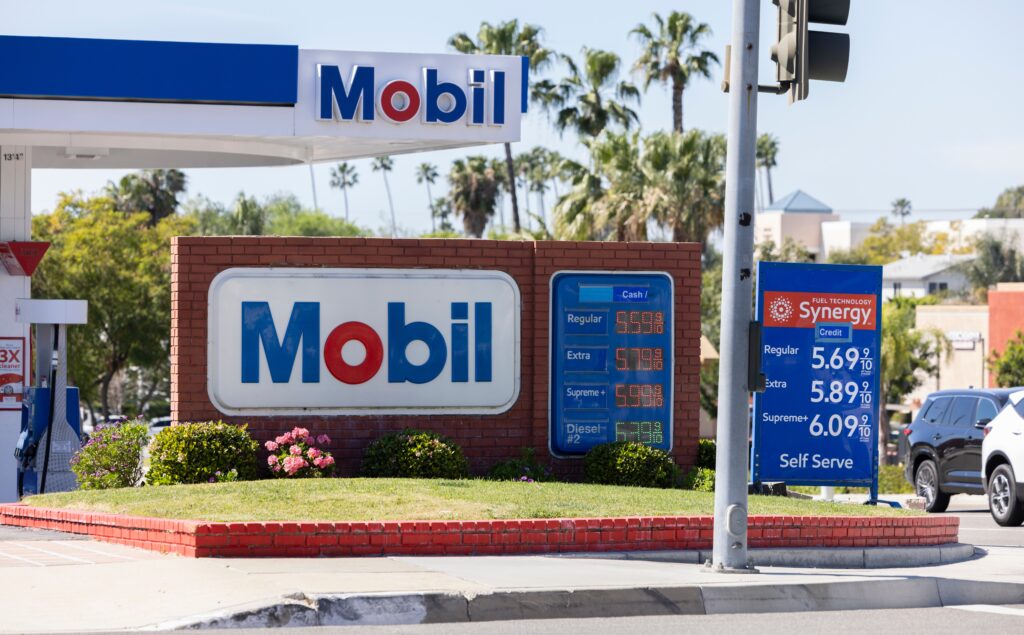
Following Operation Epic Fury, supply chain disruptions have ricocheted across the market and hiked gas costs for the average American – with Californians paying the prettiest penny at the pump.
Though AAA data shows the average national cost of gas has jumped from $2.98 to $4.018 over the past month, Californians are shouldering more crushing gas costs. The Golden State has enacted stringent regulations on the oil and gas industry for decades, implementing the highest gas tax in the nation, moving to block fracking permits and attempting to phase out the sale of new gas-powered vehicles by 2035 before Congress and President Donald Trump stopped the effort.
The average California diesel price reached a record high of $7.455 on Thursday, according to AAA data, with the regular grade sitting at $5.877 on Tuesday.
“California didn’t just inherit high gas prices, it engineered the conditions for them,” Jason Isaac, CEO of the American Energy Institute, told The Heartlander. “Global instability, including tensions with Iran, is driving prices higher everywhere, but California’s policies ensure those increases hit harder and faster.
“The state has restricted refining capacity, limited in-state production, and boxed itself into a boutique fuel system that can’t easily draw supply from elsewhere. That’s why what might be a temporary bump in other states turns into $6 gasoline and $7 diesel in California.”
The Golden State has been increasingly relying on foreign oil from nations such as Japan, India and the Bahamas as two major refineries are closing shop, Bloomberg News reported in February. California requires a special fuel blend, so it has relied on its local refineries instead of importing from other states such as Texas.
The Trump administration has flagged California’s vanishing refinery problem, and ordered the state on March 13 to reopen an offshore Santa Barbara oil unit and pipeline system. Though Democratic California Gov. Gavin Newsom and some local authorities have opposed the unit’s restoration, Sable Offshore Corp. began selling oil from its Southern California platforms for the first time in over a decade on Sunday, Bloomberg News reported.
Chevron will begin “taking American crude oil, putting it in American pipelines, running an American refinery and selling those products to American motorists – and it’s going to be cheaper than importing,” executive Andy Walz told Bloomberg News on March 24. Walz said Chevron believes reopening the Sable unit is “a good thing for America.”
Additionally, California’s cap-and-trade program for emissions has also been linked to loftier costs.
While an energy crisis looms over California, one policy expert told The Heartlander the U.S. at large is in a good position to endure the supply shocks.
The Strait of Hormuz remaining effectively closed and continued attacks on energy infrastructure will keep driving market price fluctuations, said Senior Policy Advisor at the Institute for Energy Research Caleb Jasso.
However, Jasso referenced America’s rich energy resources, the potential for more Venezuelan oil coming online and opportunities for Argentine shale oil exploration.
America became an oil superpower after the U.S. shale revolution, producing more crude oil than any country in history in 2023, according to Energy Information Administration data.
“The Western Hemisphere has the long-term capability of being energy self-sustaining,” Jasso told The Heartlander. “With the known reserves the United States has, as well as the historic levels of production that we’ve been experiencing …. the United States could endure this indefinitely,” though America would need to expand its energy infrastructure as well as its drilling and refining capacity for the domestic market to tame rising costs.”