Should teachers treat your children as they would their own? Maybe not, but they will
Pres. Biden addresses Teachers of the Year winners last week.
President Biden recently…
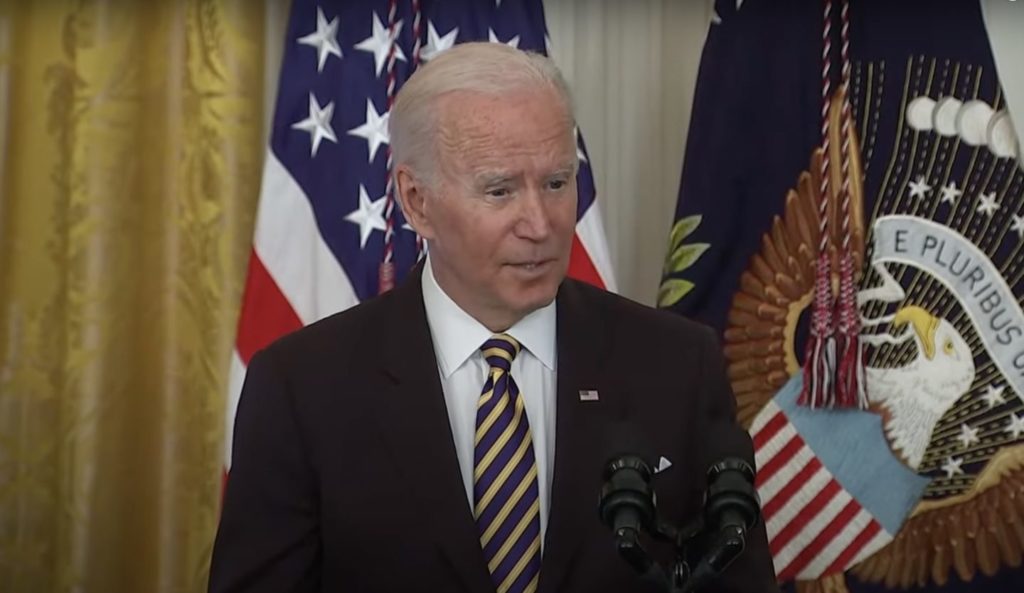 President Biden recently said something both true and disturbing. He told
Teachers of the Year
President Biden recently said something both true and disturbing. He told
Teachers of the Year
winners what makes them excel: they treat their students like their own children when they’re in the classroom. “They're all our children,” the president
saidlast Wednesday. “And the reason you're the Teachers of the Year is because you recognize that. They're not somebody else's children; they're like yours when they're in the classroom.” The last sentence went viral for obvious reasons: The president appears to suggest that children
belongto teachers while in the classroom – a sentiment that runs counter to the parents’ rights movement and its well-founded concern that schools and educators are overstepping their bounds. Six times the president used the phrase “our children” in the
speech. In the excerpt above, he makes his point clear: Teachers have a collective responsibility to their students and should teach and handle them as they would their own children. This is both natural and disturbing. It’s natural that teachers who are parents would treat, care for and instruct their students according to their own values, as they would do in their own home. But
naturaldoes not make it right. And it is disturbing because a teacher may well “parent” a student completely contrary to the values of the child’s parents. In fact, that’s exactly what’s been happening all over the country. This is why many parents have lost trust in public education. They’re showing up to school board meetings
rightfully angry. They feel their parenting has been subverted. Some are
suingtheir schools. Others are
winningschool board seats. Many are leaving, heading to
private education. These parents feel like public school teachers and officials have seduced their children, making the phrase “our children” repulsive.
School choice lets parents choose the “best” teachers
Parents who’ve lost trust in public education have limited options. They can try to reform their public school. They can hold the school accountable by getting involved – voting, attending meetings or even running for school board. And they can stay informed of school policies and curriculum and get to know the teachers. Or they can choose a private education by homeschooling or enrolling in a school that holds its teachers accountable to teach according to certain values. In this scenario, the school can serve as a trusted parental partner where teachers actually
reinforceparental values. What’s not to like about the second option? Cost. For some families in many states, alternatives to public education simply are not affordable. This is why school choice matters. States such as
Floridaand
West Virginiahave robust school choice programs that enable parents to use the same funding their children receive in public education to attend an alternative, better option. After all, they are
yourchildren. But some think they’re “ours,” which is why parents must choose teachers they can trust.