Cellphone ban in Vermont forbids schools to use social media in communicating with students
To combat a rising tide of compulsive social media use among youth, Vermont has become the latest state in banning cellphones and other personal devices in schools.
“We need kids to be focused…
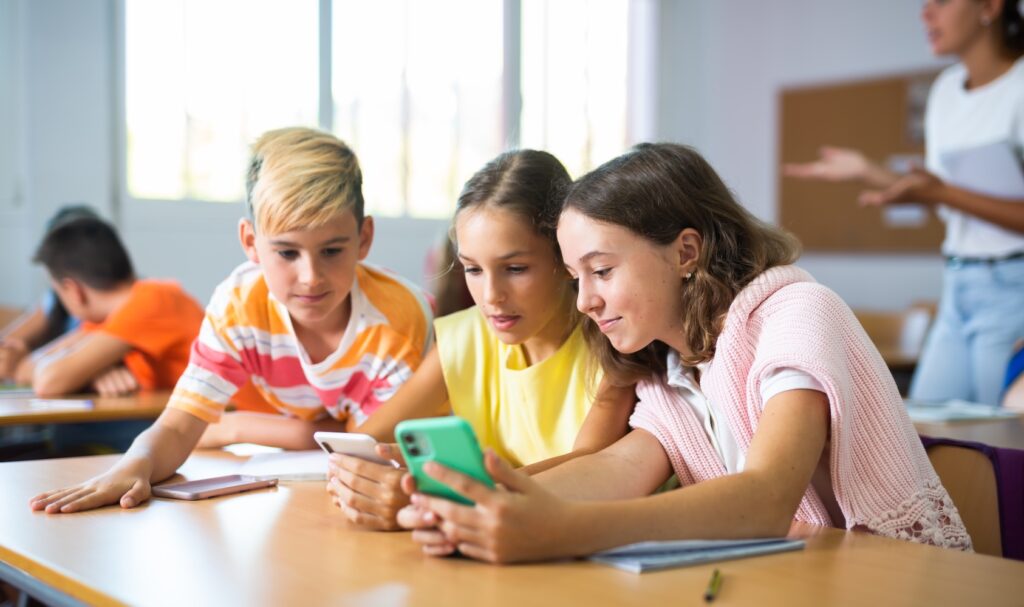
To combat a rising tide of compulsive social media use among youth, Vermont has become the latest state in banning cellphones and other personal devices in schools.
“We need kids to be focused on learning, interacting with their peers, teachers, and friends while they’re at school,” said Gov. Phil Scott upon signing the bill June 27. “And it’s clear now that phones can get in the way of important conversations and class discussions and can also be used for harmful interactions, like bullying.”
While more than half of all U.S. states have implemented some form of cellphone ban within the last two years, Vermont’s law includes “a first-of-its kind provision” involving social media use for schools, VTDigger reports.
“Although the legislation provides exceptions for certain platforms approved by school administrators, it prohibits school officials, teachers and coaches from using platforms like Facebook or Tiktok to make announcements to students.”
‘Respite’ from social media pressures, harms
The Green Mountain State had already toyed with local smartphone bans before this bill passed – using different policies at multiple schools.
“At the Harwood Union Middle and High School, which adopted a ban last year, students place phones in lockable fabric pouches at the beginning of each day,” VTDigger noted. “At K-8 schools in the Maple Run Unified School District, meanwhile, students who bring phones to school are asked to turn them off and leave them out of sight.”
While schools can choose their own smartphone policies under the new law, these must be “at least as stringent” as the state’s version, according to the article.
“With the passage of our bill, the school day will soon provide all Vermont kids with a respite from the pressures and harms that are now ever-present in their lives thanks to social media and other online products,” said Rep. Angela Arsenault, D-Williston.
Youth ‘particularly susceptible to screen addiction’
This measure comes in response to growing research citing “the emotional and cognitive impacts of smartphone and social media use among teens,” journalists note.
As previously reported by The Heartlander, screen addictions can contribute to worsened mental health and even suicidal behavior and ideation for youth, according to the Journal of the American Medical Association (JAMA).
“Adolescence is a vulnerable period for addictive behaviors, and recent findings suggest that young adolescents are particularly susceptible to screen addiction,” researchers concluded.
“These statistics highlight the need to study screen addiction and its specific health effects, as understanding these behaviors is crucial for addressing the risks they pose to adolescents’ well-being.”
The study defined addictive use as occurring “when individuals experience difficulty stopping despite attempts to do so, as well as symptoms of withdrawal, tolerance, conflict and relapse.”
Over 4,000 adolescents participated in the study from 2016 to 2022.
Statistics such as these compelled Missouri to expand its cellphone ban to include the entire school day, not just classroom time.
“The statistics really do hold that if we do the (full day), bell to bell,” said state Rep. Kathy Steinhoff, D-Columbia, “that’s going to have the biggest turnaround.”