Homeschool numbers surge in Ohio, passing COVID-19 pandemic records
Ohio mom Jeannine Ramer hadn’t planned to homeschool, but her sister-in-law’s encouragement persuaded her to try it once her oldest son reached preschool age.
“We loved it,” Ramer…
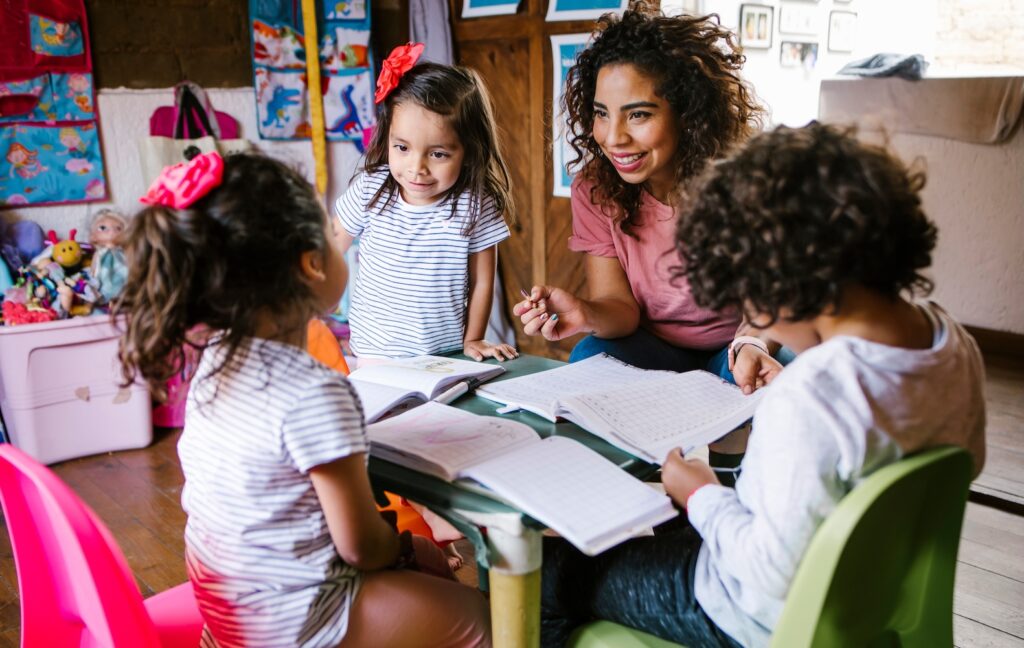
Ohio mom Jeannine Ramer hadn’t planned to homeschool, but her sister-in-law’s encouragement persuaded her to try it once her oldest son reached preschool age.
“We loved it,” Ramer told her local CBS affiliate, adding she has since homeschooled all four of her children. Two now attend college while the last two, 17 and 13 years old, continue their learning at home.
“We’ve had the ability to tailor each child’s education to that child.”
More students than ever before are homeschooling in the Buckeye State, with numbers in the 2023-24 academic year reaching 53,051 – outpacing the COVID-19 pandemic rate of 51,502.
“Homeschooling was already on a slightly slower upward trajectory, and had been for a number of years,” said Douglas J. Pietersma, a research associate at the National Home Education Research Institute. “What COVID did, from our perspective, is just infused it.”
Reasons for homeschooling
Melanie Elsey, legislative liaison for Christian Home Educators of Ohio, credited remote learning during COVID-19 with showing parents what their children were studying in schools.
“I don’t think that it was a mass exodus from the public or private schools into homeschooling, but for parents who felt like they could accomplish more with one-on-one attention to learning,” she said.
However, parental dissatisfaction with government-run school systems had predated the pandemic by approximately five decades, Pietersma argues.
“People were upset with the quality of education in general,” he said of the modern homeschool movement starting in the 1970s, which “skyrocketed” a decade later. “Then another group of people, it was more about the content of education.”
Even after COVID-19, many of the root causes for homeschooling haven’t changed, according to Pietersma.
“The quality of education is still one of the big issues,” he explains. “Safety issues are a huge thing – people who have had their children in schools where they’ve been bullied or assaulted or had exposure to drugs.”
Others choose to homeschool simply because it works best for their family’s needs.
Like Ramer, Elsey hadn’t seriously considered homeschooling until she tried it with her children as they began preschool: “We prayed about it and really felt like it was something that was worthwhile.
“It’s amazing how well families do because they have access to resources, really, all over the world, when you can get curriculum from anywhere that meets the needs of your students to learn to pursue their interests.”
In one example, Ramer’s oldest child – now studying industrial and innovative design in college – customized his high school learning to focus on printing and design work while he was still a teenager.
“Homeschooling has really strengthened our family relationships,” Ramer noted. “My kids are very, very close and supportive of one another, and I think that’s all of the hours spent at home and just really learning together.”