Trans golfer sues LPGA after being denied entry to US Women’s Open qualifier
A male golfer who identifies as a woman has filed a lawsuit after being denied entry into a women’s tournament qualifier.
Hailey Davidson sued the United States Golf Association, the LPGA, a…
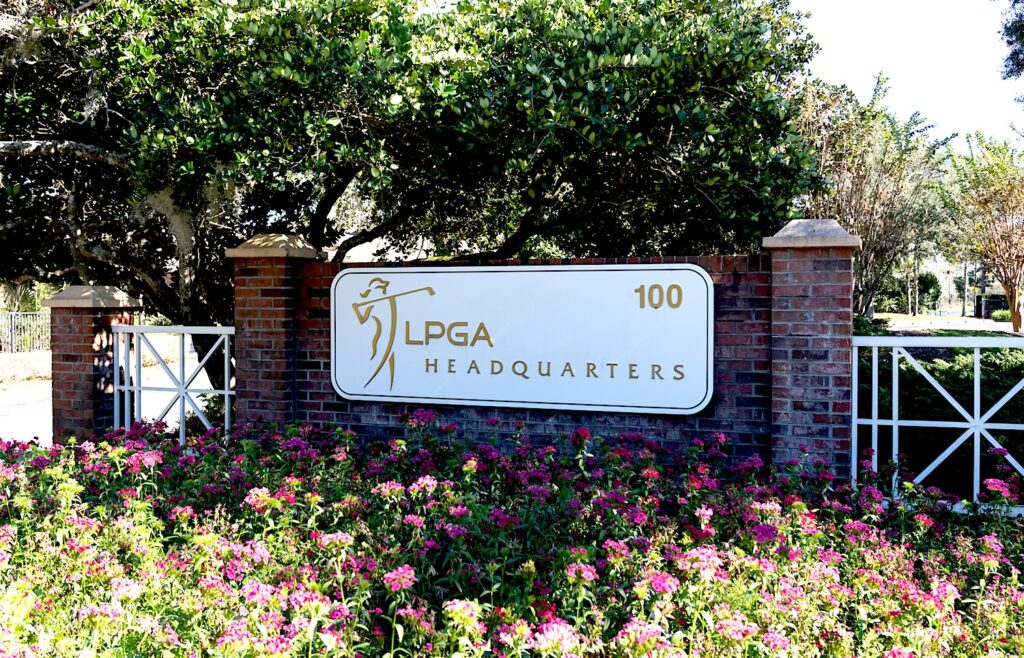
A male golfer who identifies as a woman has filed a lawsuit after being denied entry into a women’s tournament qualifier.
Hailey Davidson sued the United States Golf Association, the LPGA, a New Jersey golf club, and several LPGA officials after being blocked from a U.S. Women’s Open qualifier. The lawsuit, filed in New Jersey, seeks unspecified damages, the Associated Press reports.
The dispute centers on a policy the LPGA adopted in 2025. Under the new rules, players must be anatomically female or must have started identifying as transgender before experiencing male puberty to compete in top women’s events.
Davidson, 33, started identifying as transgender after puberty. Therefore, he does not meet the updated eligibility requirements. He had previously competed in 2024; he unsuccessfully tried to qualify for the U.S. Women’s Open and the LPGA’s qualifying school.
The LPGA acknowledged the lawsuit but did not directly engage with the claims.
“The LPGA’s gender policy was developed through a thoughtful, expert-informed process and is grounded in protecting the competitive integrity of elite women’s golf,” the organization said.
The policy applies not only to LPGA Tour events but also to developmental circuits such as the Epson Tour and several USGA championships. It reflects a bigger shift across sports governing bodies toward keeping males out of women’s sports.
The LPGA said it made the rule after getting input from medical and scientific experts who said male puberty creates lasting performance advantages in golf.
Yet, the policy still allows for transgender participation in non-elite women’s events. The LPGA noted its recreational programs remain “accessible to all women for non-elite events and activities.”
Davidson argues in the lawsuit the policy is too restrictive since many states limit access to puberty blockers or transgender hormone treatments for minors.
Currently, 27 states restrict so-called gender-affirming care for minors.
Davidson also alleges the host course wrongly deferred to the USGA on eligibility decisions rather than making an independent determination.
The gender issue has prompted strong reactions within women’s golf. Over 200 female players previously signed a letter urging tighter rules, citing physical differences between men and women.
While some institutions have refused to act, the LPGA’s move reflects a growing recognition that women’s sports require safeguards to protect safety and fairness.